Buying insurance can feel deceptively simple — until you realize just how many ways there are to do it. From online forms to local agents and independent brokers, the choices can be confusing. Each option comes with its own pros and cons, and making the wrong choice could mean overpaying, being underinsured, or having no advocate when you need help the most.
In a recent episode of Insurance Hour, host Karl Susman — a 30-year insurance veteran — broke down the three main ways to purchase insurance and what consumers should know before making that decision. His insights highlight the nuances of each path and remind us that the right choice isn’t always the cheapest one, but the one that fits your situation best.
The Three Primary Ways to Buy Insurance
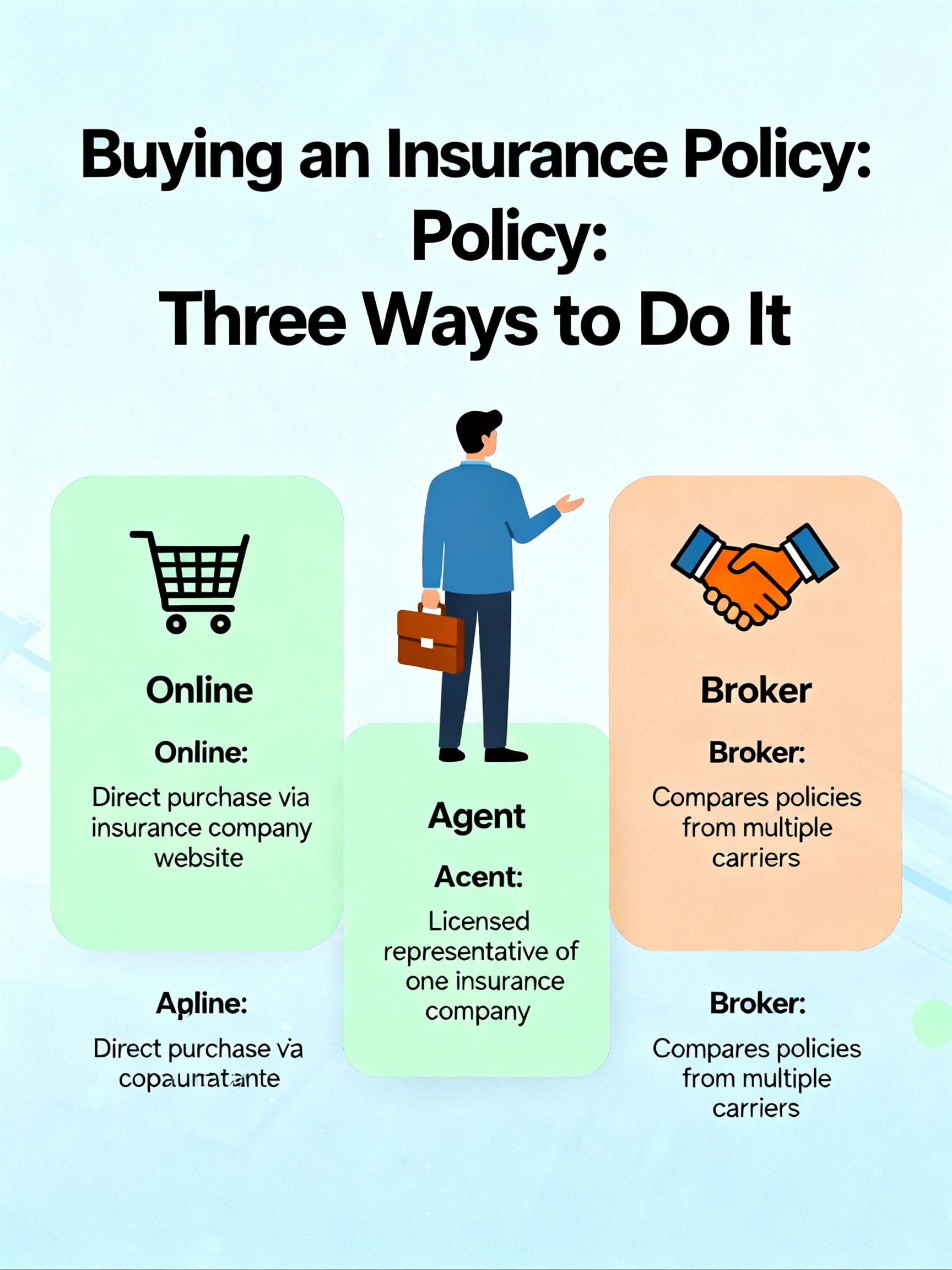
Susman explains that consumers generally have three options when buying insurance:
• Buying directly from the insurance company
• Working with a captive agent
• Working with an independent broker
Each method can result in an active insurance policy, but the buying experience, level of guidance, and advocacy during a claim can be very different.
Buying Directly From the Insurance Company
In the digital age, many consumers go straight to an insurer’s website or call center. The process is fast, convenient, and appealing for those who prefer to handle everything themselves. As Susman notes, it’s the most hands-on, self-managed approach to buying coverage.
Buying direct means dealing one-on-one with the insurance company — usually online or over the phone. In the past, consumers mailed in forms and checks. Today, the process is faster, but the structure is largely the same.
Advantages:
There is no middleman, which simplifies communication. The process is usually quick and efficient, especially for standard products like auto or renters insurance.
Disadvantages:
The biggest drawback is the lack of an advocate. If a claim is disputed or coverage is questioned, you are on your own. There is also limited guidance in selecting the right coverage limits. And despite popular belief, buying direct rarely saves money.
As Susman explains, “Ninety-nine point nine percent of the time, you’re paying the same rate whether you go directly to the company or through a broker.” Insurance pricing is regulated, so cutting out the middleman usually doesn’t change the premium.
Working With a Captive Agent
A captive agent represents a single insurance company (or sometimes two). This model is common with well-known brands such as State Farm, Farmers, or Allstate.
Captive agents are specialists in their company’s products. They understand underwriting guidelines, discounts, and claim procedures in detail.
Advantages:
Captive agents offer deep knowledge of their specific carrier’s policies. Clients benefit from a consistent experience and often appreciate the familiarity and brand loyalty that come with this model.
Limitations:
The major limitation is choice. Because captive agents can only offer one company’s products, they must try to fit every client into that company’s underwriting box. As Susman explains, it’s a “one-size-fits-all” structure.
That doesn’t mean captive agents are dishonest — only that their options are limited. If your risk profile doesn’t match their carrier’s appetite, you may struggle to find suitable coverage through this channel.
Working With an Independent Insurance Broker
Independent brokers are not tied to any single insurance company. Instead, they work with multiple insurers — sometimes dozens — to find coverage that best fits a client’s needs.
Advantages:
Brokers provide choice by comparing multiple carriers. They customize coverage for complex risks and represent the insured, not the insurance company. If a claim arises or a dispute occurs, brokers can advocate on behalf of their clients.
As Susman describes it, brokers act as managers for policyholders, helping navigate underwriting, claims, and coverage changes over time.
Drawbacks:
Some brokers charge service fees, typically between $50 and $100 per year, which should always be discussed upfront. Brokers also generally lack binding authority, meaning coverage must be approved by the insurer before it becomes effective. This can create slight delays in time-sensitive situations.
Even with these limitations, brokers often provide the most flexibility and advocacy — especially for high-risk, high-value, or specialized insurance needs.
Why Price Is Rarely the Real Difference
One of Susman’s most important insights is that price usually doesn’t change based on how you buy insurance. Rates are filed with state regulators, meaning your premium is typically the same whether you buy direct, work with a captive agent, or use a broker.
What does change is the service model — who advises you, who explains your coverage, and who stands beside you during a claim.
As Susman puts it:
“It’s not about paying less — it’s about getting more of the right kind of help.”
Which Buying Method Is Best?
Susman refuses to declare a single “best” option because one size does not fit all.
Direct purchasing works well for simple coverage needs and for consumers who are comfortable managing everything on their own. Captive agents are ideal for clients who prefer brand consistency and value a single point of contact. Independent brokers are often best for consumers who want multiple choices, personalized guidance, and advocacy during claims.
The right choice depends on your comfort level, the complexity of your insurance needs, and how much professional guidance you want.
A Smart Consumer’s Insurance Checklist
No matter how you buy your insurance, Susman recommends the following best practices:
• Ask who represents whom — the company or you
• Understand all fees before committing
• Verify licensing and credentials
• Review policies annually as your life and risks change
• Seek professional advice when coverage becomes complex
Final Thoughts
Insurance is one of the few products you hope you never need — but absolutely must have. The key isn’t just owning a policy. It’s understanding how it was purchased and who is standing behind you if trouble arises.
As Susman emphasizes, unless you are an insurance expert, it makes sense to work with someone who is. The best policy is not simply the cheapest policy — it’s the one that is properly structured, regularly reviewed, and supported by someone who understands your needs.
In the end, the smartest insurance decision isn’t just what you buy. It’s how you buy it — and who helps you protect it along the way.